Musa acuminata ‘Zebrina’, commonly known as the Blood Banana, is a dramatic tropical plant with large, paddle-shaped green leaves splashed with distinctive burgundy-red markings. Fast-growing in warm, bright conditions, its bold foliage makes it a fantastic statement plant and brings an instant tropical feel to the home.
Scientific Name
Musa acuminata ‘Zebrina’
Common Name(s)
Blood Banana, Red Banana, Zebrina Banana
Origin
A cultivated form of Musa acuminata, a species native to tropical regions of Southeast Asia. It thrives in warm, humid conditions with plenty of light.
Light
Prefers very bright light and can tolerate some direct sunlight, particularly morning or evening sun. Plenty of light will encourage strong growth and help maintain the distinctive red markings. Introduce stronger direct sunlight gradually to avoid scorching the leaves.
Water
Keep the soil consistently moist during spring and summer, allowing the very top to dry slightly between waterings. Its large leaves and fast growth mean it can be particularly thirsty in warm weather. Reduce watering during autumn and winter, but avoid allowing the soil to completely dry out.
Humidity
Prefers moderate to high humidity. Keep away from radiators and other sources of hot, dry air. Some browning or splitting of the large leaves is natural, particularly in drier conditions.
Soil
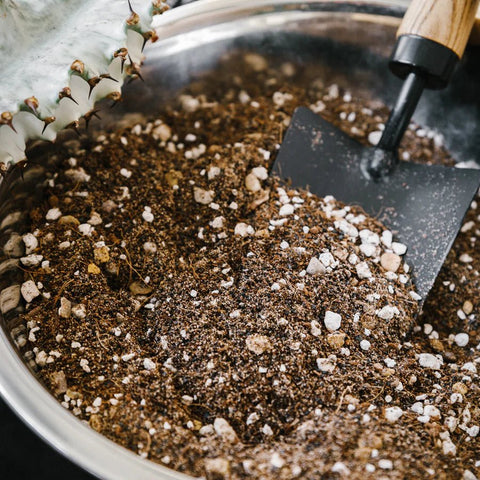
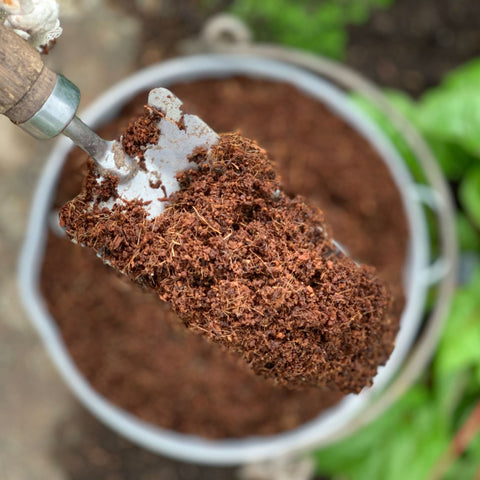
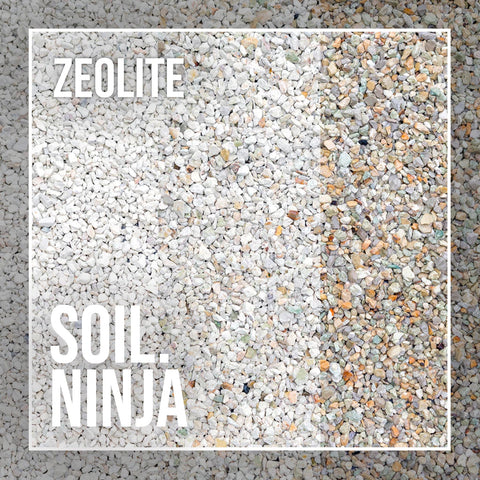
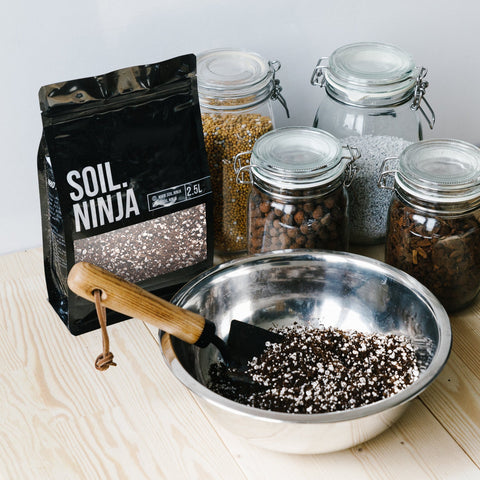
Use a rich, fertile and well-draining houseplant mix. Adding perlite or fine bark can help improve drainage while still allowing the soil to retain enough moisture.
Food
Feed every 2–4 weeks during spring and summer with a balanced liquid houseplant fertiliser. Blood Bananas are vigorous growers and appreciate regular feeding during their active growing season. Reduce feeding during autumn and winter.
Temperature
Prefers warm temperatures between 18–30°C. Protect from cold draughts and avoid prolonged temperatures below 12–15°C.
Pet-safe
Banana plants are generally considered non-toxic to cats and dogs.
Sprouts Top Tips
Give your Blood Banana plenty of light, warmth, water and food during the growing season and it can grow surprisingly quickly. Don’t worry about occasional splits or tears in the leaves – banana leaves naturally split as they grow and move.
Extras
Blood Bananas can become substantial plants when given enough space and light. New leaves emerge tightly rolled from the centre before gradually unfurling, and established plants may produce new shoots, known as pups, from around the base.
Did You Know?
The burgundy-red markings that give the Blood Banana its name are particularly prominent on younger leaves. The pattern can change as each leaf matures, so the plant’s appearance continually develops as it produces new growth.